7 Signs You're Starting Your Workout Dehydrated (And How to Fix It)

Your workout shouldn't feel like a battle from the first set, but if you're experiencing unexplained fatigue, disappearing pumps, or inconsistent strength, you're probably starting your session dehydrated. Most lifters don't realize they're dehydrated until performance tanks mid-workout. Here are the 7 telltale signs and exactly how to fix them.
Key Takeaways
- Most lifters start training dehydrated – Even if you drank water, without electrolytes your body can't properly hydrate
- 7 clear warning signs – From energy crashes to weak pumps, these signals tell you hydration is the problem
- Electrolytes are the solution – Sodium, potassium, and magnesium 20-30 minutes pre-workout transform performance
- Water alone fails – You need electrolytes to absorb and retain hydration for training
- The fix is simple – Pre-hydration with proper electrolyte ratios prevents all 7 signs

Sign #1: Energy Drops After Your First Few Sets
You warm up feeling strong, but by your second or third working set, your energy suddenly crashes. This isn't a conditioning issue, it's a hydration problem.
When you start dehydrated, your blood volume is already low. As you begin training and sweating, blood volume drops further, forcing your heart to work harder to deliver oxygen and nutrients to your muscles. This creates that heavy, fatigued feeling that makes every rep harder than it should be.
The fix: Take electrolytes 20-30 minutes before training to optimize blood volume from the start.

Sign #2: Your Pump Disappears Quickly
You get a decent pump in your first exercise, but it fades fast and never really comes back. This is one of the most obvious signs of poor hydration.
Muscle pumps require proper fluid balance inside muscle cells. Without adequate electrolytes, especially sodium and potassium, your muscles can't hold water effectively. The result is a weak, short-lived pump that disappears as soon as you move to the next exercise.
The fix: Proper electrolyte balance allows your muscles to maintain fluid and sustain pumps throughout your entire session.
Sign #3: Weights Feel Heavier Than Usual
You're using the same weight as last week, but today it feels 10-20% heavier. Nothing else has changed in your training or recovery, yet the bar feels like it's made of lead.
Dehydration reduces muscle contractile efficiency. When electrolyte levels are low, the electrical signals that trigger muscle contractions don't fire as effectively. This makes weights feel heavier and reduces your force output, even though your actual strength hasn't changed.
The fix: Maintaining electrolyte balance ensures optimal muscle contraction and consistent strength output.
Sign #4: You Can't Focus or Feel Mentally Foggy
Your mind wanders between sets, you lose count of reps, or you just can't get into the zone. Mental clarity is just as important as physical performance, and dehydration kills both.
Your brain is highly sensitive to hydration status. Even mild dehydration impairs cognitive function, focus, and mind-muscle connection. This mental fog makes it harder to push through challenging sets and maintain proper form.
The fix: Proper hydration supports both physical and mental performance, keeping you sharp and focused throughout training.
Sign #5: You're Thirsty During Your Workout
If you're feeling thirsty during your workout, you're already behind on hydration. Thirst is a late-stage indicator that your body is already dehydrated.
By the time thirst kicks in, you've already lost 1-2% of your body weight in fluids, which is enough to significantly impair performance. Trying to catch up by drinking water mid-workout doesn't solve the problem because your body can't absorb it fast enough without proper electrolyte balance.
The fix: Pre-hydrate with electrolytes so you start your session properly hydrated instead of playing catch-up.

Sign #6: You Experience Muscle Cramps or Tightness
Random muscle cramps, unusual tightness, or muscles that feel like they're about to cramp are classic dehydration signals. This isn't about stretching, it's about electrolyte imbalance.
Muscle cramps occur when there's an imbalance in electrolytes, particularly sodium, potassium, and magnesium. These minerals regulate muscle contraction and relaxation. When levels are low, muscles can contract involuntarily or fail to relax properly, causing cramps and tightness.
The fix: Adequate electrolyte intake prevents cramping and maintains smooth muscle function throughout your session. For more on optimizing your nutrition, check out our guide on 10 Essential Muscle-Building Foods to Add to Your Daily Diet.
Sign #7: Your Performance Is Inconsistent Day-to-Day
Some days you feel unstoppable, other days you struggle with weights that should be easy. If your training, sleep, and nutrition are consistent but your performance isn't, hydration is likely the variable.
Hydration status can vary significantly day-to-day based on factors like caffeine intake, previous day's training, sodium consumption, and even stress levels. These fluctuations directly impact performance, creating those frustrating "off days" that seem random.
The fix: A consistent pre-workout hydration routine eliminates this variable and creates more predictable, reliable performance.
Why Water Alone Doesn't Fix These Problems
You might be thinking, "I drink plenty of water, so why am I still experiencing these signs?" The answer is simple: water without electrolytes doesn't hydrate you effectively.
When you drink plain water, your body needs electrolytes, particularly sodium, to absorb and retain that water. Without adequate sodium, water passes through your system without properly hydrating your cells. This is why you can drink water all day and still feel dehydrated during training.
Electrolytes serve critical functions:
- Sodium – Regulates fluid balance, blood volume, and nutrient absorption
- Potassium – Controls muscle contraction and cellular hydration
- Magnesium – Supports energy production and prevents cramping
For a deeper understanding of how hydration works at the cellular level, read our article on The Science of Hydration for Peak Performance.

The Pre-Hydration Protocol That Fixes All 7 Signs
The solution is straightforward: consume electrolytes 20-30 minutes before your workout. This timing allows your body to absorb the electrolytes and optimize hydration before you start training.
Here's what proper pre-hydration delivers:
- Stable energy from start to finish
- Longer-lasting, fuller pumps
- Consistent strength and power output
- Sharp mental focus and mind-muscle connection
- No mid-workout thirst or cramping
- Predictable performance day after day
This simple habit eliminates all 7 signs of dehydration and transforms how your workouts feel. If you want to build a complete pre-workout routine, check out our guide on The Gym Goer's Morning Routine for All-Day Energy.
Frequently Asked Questions
How much water should I drink before a workout?
Aim for 400-600ml of water with electrolytes 20-30 minutes before training. The key is the electrolytes—plain water alone won't optimize hydration.
What's the best electrolyte ratio for training?
Look for a mix with elevated sodium (500-1000mg), adequate potassium (200-400mg), and magnesium (50-100mg). Sodium is the most critical electrolyte for hydration and performance.
Can I just use a sports drink?
Most sports drinks are designed for endurance athletes and contain too much sugar with inadequate electrolytes for strength training. Purpose-built electrolyte mixes for lifters are more effective.
Will electrolytes make me bloated?
No. Proper electrolyte balance actually helps your body regulate fluid more efficiently, reducing bloating. Bloating typically comes from drinking excess plain water without electrolytes.
How quickly will I notice a difference?
Most lifters notice improved energy, pumps, and focus within the first 1-2 workouts of proper pre-hydration. Consistency is key for long-term performance gains.
Do I need electrolytes if I'm not sweating much?
Yes. Even if you're not visibly sweating, you're losing electrolytes through respiration and cellular processes during training. Pre-hydration benefits all training styles.
Stop Guessing, Start Hydrating Properly
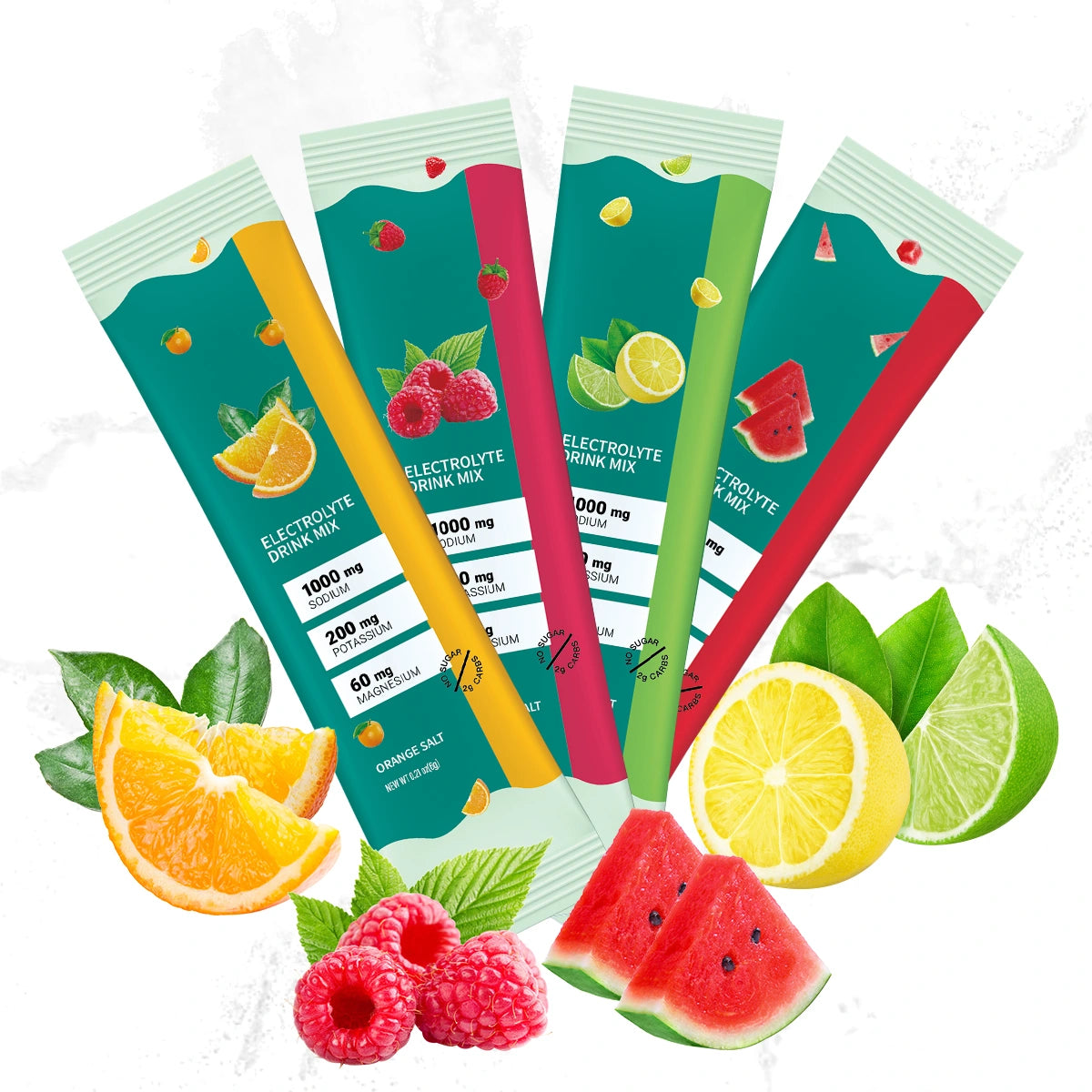
If you're experiencing any of these 7 signs, your hydration strategy needs an upgrade. I created Hydrate+ Hydration Electrolyte Mix specifically to solve these exact problems for lifters and athletes.
Hydrate+ delivers:
- Science-backed electrolyte ratios optimized for training
- Elevated sodium for proper hydration and blood volume
- Essential minerals without unnecessary fillers or sugar
- Consistent energy, pumps, and strength every session
No more guessing, no more inconsistent performance, no more workouts that feel harder than they should. Try Hydrate+ today and experience what properly hydrated training actually feels like.