How Hydration Affects Strength & Pump (The Science Explained)

Ever wonder why your strength and pump quality fluctuate so much from workout to workout, even when everything else stays the same? The answer lies in something most lifters overlook: hydration status. Proper hydration isn't just about drinking water—it's the foundation of muscle performance, and understanding how it works will transform your training.
Key Takeaways
- Hydration directly controls strength output – Even 2% dehydration can reduce strength by 10-20%
- Pumps require proper cell hydration – Electrolyte balance determines how well muscles hold water and achieve fullness
- Blood volume is critical – Hydration status affects nutrient delivery, oxygen transport, and waste removal
- Electrolytes are the key – Sodium, potassium, and magnesium regulate the mechanisms that produce strength and pumps
-
Timing matters – Pre-hydration 20-30 minutes before training optimizes both strength and pump qual

The Science of How Hydration Affects Muscle Strength
When we talk about strength, we're really talking about your muscles' ability to generate force. Hydration plays a massive role in this process through several interconnected mechanisms.

1. Muscle Cell Hydration and Protein Synthesis
Your muscle cells are approximately 75% water. When cells are properly hydrated, they're in an anabolic state that supports protein synthesis and muscle function. Dehydrated cells, on the other hand, shift into a catabolic state where performance suffers.
Research shows that even mild dehydration (2-3% body weight loss) can reduce muscle strength by 10-20%. This isn't a small difference—it's the equivalent of dropping 10-20kg off your working sets simply because you didn't hydrate properly.
2. Electrolyte Balance and Muscle Contraction
Muscle contraction is an electrical process. When your brain sends a signal to contract a muscle, that signal travels as an electrical impulse that depends entirely on electrolyte balance—specifically sodium and potassium.
Here's how it works:
- Sodium sits outside muscle cells and creates the electrical gradient needed for contraction
- Potassium sits inside muscle cells and helps reset the muscle after contraction
- Magnesium regulates the calcium channels that trigger the actual contraction
Without proper electrolyte balance, these electrical signals don't fire efficiently. The result is reduced force production, slower muscle activation, and weights that feel heavier than they should.
3. Blood Volume and Oxygen Delivery
Hydration status directly affects blood volume. When you're properly hydrated, blood volume is optimized, which means your heart can efficiently pump oxygen and nutrients to working muscles.
When dehydrated, blood volume drops and blood becomes more viscous (thicker). Your heart has to work harder to pump this thicker blood, and less oxygen reaches your muscles. This creates that heavy, fatigued feeling where every rep feels like a grind.
For more on optimizing your overall training approach, check out our article on The Gym Goer's Morning Routine for All-Day Energy.
The Science of How Hydration Affects Muscle Pump
The muscle pump isn't just about aesthetics—it's a sign that your muscles are properly hydrated and receiving adequate blood flow. Understanding the science behind pumps reveals why hydration is so critical.
1. Cellular Swelling and Water Retention
A muscle pump occurs when water and blood flow into muscle cells during training. This cellular swelling is called sarcoplasmic hypertrophy, and it requires proper electrolyte balance to occur.
Here's the process:
- During exercise, muscles use ATP (energy) which creates metabolic byproducts
- These byproducts draw water into muscle cells through osmosis
- Electrolytes (especially sodium and potassium) regulate this water movement
- Properly balanced electrolytes allow cells to hold this water, creating the pump
Without adequate electrolytes, water can't move into cells efficiently, and even when it does, cells can't hold it. This is why you can drink plenty of water but still get weak, short-lived pumps.
2. Blood Flow and Nutrient Delivery
The pump is also driven by increased blood flow to working muscles. This blood flow delivers oxygen, nutrients, and removes waste products like lactate.
Hydration affects this process in two ways:
- Blood volume – Proper hydration maintains optimal blood volume for efficient circulation
- Vasodilation – Well-hydrated blood vessels can dilate more effectively, allowing greater blood flow
When you're dehydrated, blood volume drops and vessels can't dilate as effectively. The result is restricted blood flow, weak pumps, and poor nutrient delivery to muscles.
3. Glycogen Storage and Muscle Fullness
Glycogen (stored carbohydrates in muscles) binds to water at a ratio of approximately 1:3. For every gram of glycogen stored, your muscles hold about 3 grams of water.
This glycogen-water combination creates muscle fullness and contributes significantly to pump quality. However, without proper hydration and electrolyte balance, your muscles can't maximize glycogen storage or hold the associated water.
This is why proper nutrition and hydration work together. Learn more about fueling your muscles in our guide on 10 Essential Muscle-Building Foods to Add to Your Daily Diet.
Why Water Alone Isn't Enough for Strength and Pumps
Many lifters drink plenty of water but still experience weak pumps and inconsistent strength. The problem isn't the amount of water—it's the lack of electrolytes.
Water needs electrolytes to be absorbed and utilized effectively. When you drink plain water without electrolytes, much of it passes through your system without properly hydrating your cells. This is because:
- Sodium is required for water absorption in the intestines
- Electrolytes create the osmotic gradients that move water into cells
- Without electrolytes, water dilutes your existing electrolyte levels, making dehydration worse
This is why athletes who drink excessive plain water during training can actually become more dehydrated and experience a condition called hyponatremia (low sodium levels).
For a comprehensive understanding of hydration science, read our detailed article on The Science of Hydration for Peak Performance.
The Optimal Hydration Strategy for Maximum Strength and Pumps
Now that you understand the science, here's how to apply it for better performance:

Pre-Workout Hydration (20-30 Minutes Before Training)
This is the most critical window. Consume electrolytes with water 20-30 minutes before your workout to:
- Optimize blood volume before you start training
- Ensure proper electrolyte balance for muscle contraction
- Prime muscle cells for water retention and pumps
- Support consistent strength output from your first set
Aim for 500-1000mg sodium, 200-400mg potassium, and 50-100mg magnesium with 400-600ml of water.
During Training
Sip water throughout your workout to maintain hydration status. If your session is longer than 60 minutes or particularly intense, consider adding electrolytes to your intra-workout drink as well.
Post-Workout Hydration
After training, replenish fluids and electrolytes lost through sweat. This supports recovery, helps maintain muscle fullness, and prepares you for your next session.

What Proper Hydration Feels Like in Training
When you dial in your hydration strategy, the difference is immediately noticeable:
- Strength feels consistent – Weights that should be manageable actually feel manageable, every session
- Pumps come easier and last longer – Muscles fill up quickly and stay full throughout your workout
- Energy is stable – No mid-workout crashes or unexplained fatigue
- Recovery between sets is faster – Your body efficiently removes waste products and delivers fresh nutrients
- Mental focus is sharper – Proper hydration supports cognitive function and mind-muscle connection
- Performance is predictable – No more random "off days" caused by hydration variables
Frequently Asked Questions
How much does dehydration actually affect strength?
Research shows that 2% dehydration (about 1.5kg for a 75kg person) can reduce strength by 10-20%. Even 1% dehydration begins to impair performance. The effects are immediate and significant.
Can I get a good pump without proper hydration?
No. Muscle pumps require adequate cellular hydration and blood volume. You might get a slight pump from blood flow alone, but it will be weak and short-lived without proper electrolyte balance and hydration.
How long does it take for hydration to affect performance?
Electrolytes and water begin absorbing within 20-30 minutes, which is why pre-workout hydration is so effective. You'll typically notice improved performance within your first few sets when properly pre-hydrated.
Do I need more electrolytes if I sweat heavily?
Yes. Heavy sweaters lose more sodium and electrolytes, which means they need higher intake to maintain performance. If you notice salt stains on your clothes or skin after training, you're a heavy sweater and should increase electrolyte intake.
Will drinking more water improve my pump?
Only if you're also consuming adequate electrolytes. Plain water without electrolytes won't improve pumps and can actually dilute your electrolyte levels, making things worse.
What's the best way to test if hydration is affecting my performance?
Try proper pre-workout hydration with electrolytes for 5-7 consecutive workouts and track your strength, pump quality, and energy levels. Most lifters notice significant improvements within the first 2-3 sessions.
Optimize Your Hydration for Better Strength and Pumps
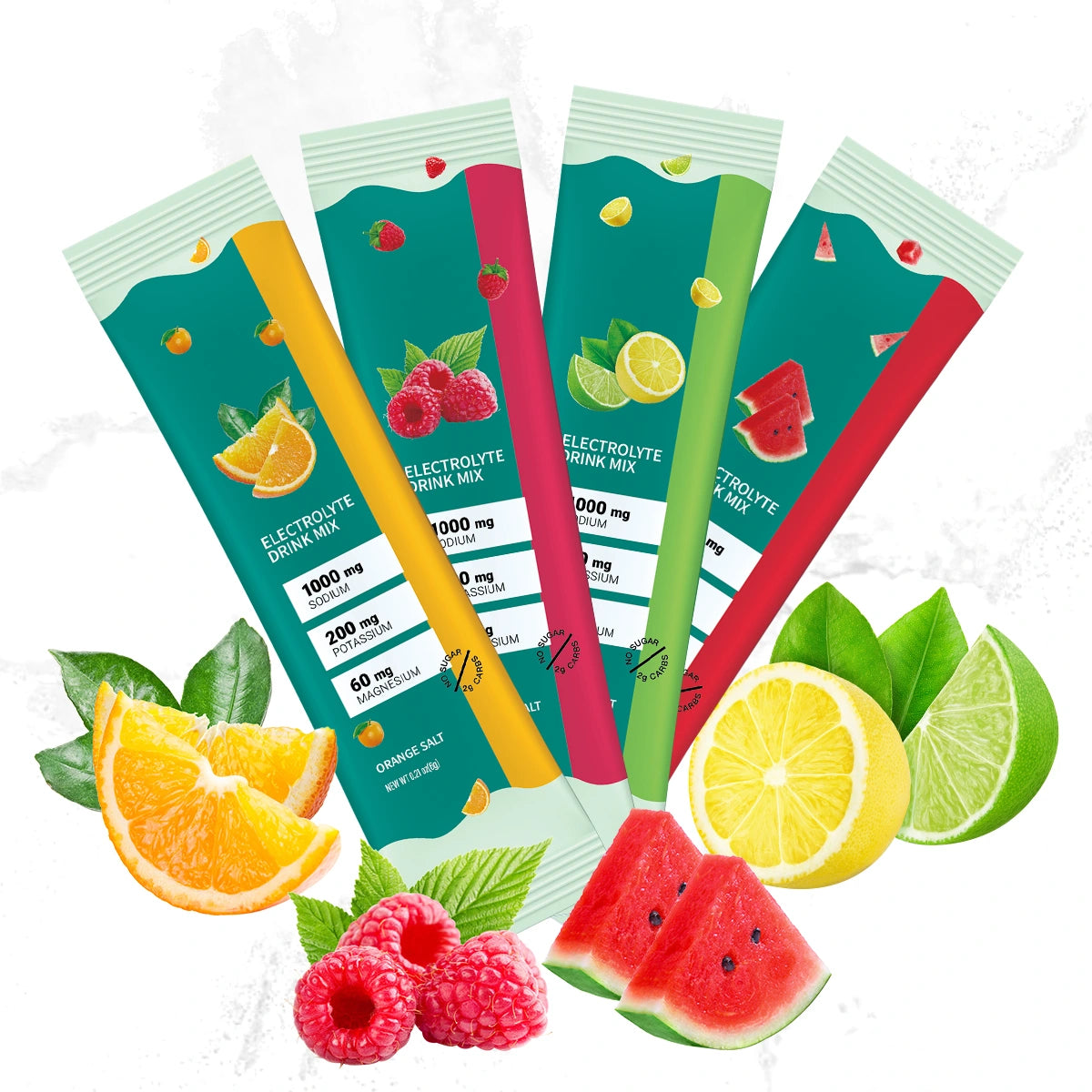
Understanding the science is one thing—applying it consistently is another. I created Hydrate+ Hydration Electrolyte Mix to take the guesswork out of hydration for serious lifters.
Hydrate+ delivers:
- Science-backed electrolyte ratios optimized for strength training
- Elevated sodium (1000mg) for maximum blood volume and cell hydration
- Essential potassium and magnesium for muscle contraction and pump quality
- Low carbohydrate formula that won't interfere with your nutrition plan
- No artificial fillers, just the electrolytes your muscles need
Stop leaving performance on the table because of poor hydration. Try Hydrate+ today and experience the strength and pumps your training deserves.