Why Water Isn't Enough for Lifters (What You're Missing)

You're drinking plenty of water, hitting your daily intake goals, and staying hydrated throughout the day. So why do your workouts still feel harder than they should? The truth is, water alone isn't enough for lifters. Without the right electrolytes, all that water you're drinking isn't actually hydrating you the way you need for peak performance.
Key Takeaways
- Water needs electrolytes to work – Without sodium, potassium, and magnesium, water can't properly hydrate your cells
- Lifters have higher electrolyte needs – Training increases sweat loss and electrolyte demands beyond what water alone can address
- Plain water can make things worse – Excessive water without electrolytes dilutes your existing levels and impairs performance
- Electrolytes control key functions – Muscle contraction, blood volume, pumps, and energy delivery all depend on proper electrolyte balance
- The fix is simple – Adding electrolytes to your hydration strategy transforms training performance

The Problem: Water Without Electrolytes Doesn't Hydrate Properly
Here's what most lifters don't understand: drinking water and being hydrated are not the same thing. Hydration is about getting water into your cells where it's needed, and that process requires electrolytes.
When you drink plain water, it enters your digestive system. For your body to absorb that water and transport it into cells, you need sodium. Sodium creates the osmotic gradient that pulls water across cell membranes and into your bloodstream.
Without adequate sodium, water passes through your system without properly hydrating you. This is why you can drink water all day, urinate frequently, and still feel dehydrated during training. The water isn't getting where it needs to go.
Why Lifters Need More Than Just Water
Lifters face unique hydration challenges that make electrolytes even more critical:
1. Higher Sweat Rates During Training
Resistance training generates significant heat and sweat, especially during high-volume sessions or when training in warm environments. When you sweat, you don't just lose water—you lose electrolytes, particularly sodium.
The average person loses 500-1000mg of sodium per liter of sweat. During an intense 60-90 minute training session, you can easily lose 1-2 liters of sweat, which means 500-2000mg of sodium loss. Drinking plain water doesn't replace these lost electrolytes.
2. Increased Metabolic Demands
Muscle contraction during training requires proper electrolyte balance. Every rep you perform depends on sodium and potassium creating the electrical gradients that trigger muscle contractions.
As you train, these electrolytes are used up. Without replacement, muscle contraction efficiency decreases, strength drops, and performance suffers. Water alone can't restore this electrolyte balance.
3. Blood Volume Requirements
Lifters need optimal blood volume to deliver oxygen and nutrients to working muscles and remove waste products like lactate. Blood volume is directly tied to sodium levels—when sodium is low, blood volume drops.
Drinking plain water without sodium doesn't restore blood volume effectively. In fact, it can dilute your blood sodium levels further, making the problem worse.
For more on how hydration impacts your training, check out our article on How Hydration Affects Strength & Pump.

What Happens When You Only Drink Water
Relying solely on water for hydration creates several performance-limiting problems:
Hyponatremia (Low Sodium Levels)
When you drink excessive plain water, especially during or after training, you dilute your blood sodium concentration. This condition is called hyponatremia, and it impairs performance through:
- Reduced muscle contraction efficiency
- Decreased blood volume and oxygen delivery
- Impaired cognitive function and focus
- Increased fatigue and weakness
- Poor pump quality and muscle fullness
Inadequate Cellular Hydration
Even if you're drinking plenty of water, your muscle cells may not be properly hydrated. Cellular hydration requires electrolytes—particularly potassium and magnesium—to move water into cells and keep it there.
Without proper cellular hydration:
- Muscle cells shift into a catabolic state
- Protein synthesis is impaired
- Strength and power output decrease
- Recovery is compromised
Inconsistent Performance
One of the most frustrating effects of water-only hydration is unpredictable performance. Some days you feel strong, other days the same weights feel impossible. This inconsistency often comes down to fluctuating electrolyte levels that water alone can't stabilize.
The Electrolytes Lifters Actually Need
Not all electrolytes are equal, and lifters have specific needs based on the demands of resistance training:
Sodium: The Most Critical Electrolyte
Sodium is the primary electrolyte for hydration and performance. It:
- Enables water absorption in the intestines
- Maintains blood volume and blood pressure
- Creates the electrical gradient for muscle contraction
- Regulates fluid balance inside and outside cells
Lifter needs: 500-1000mg before training, with additional intake during and after intense sessions.
Potassium: The Intracellular Electrolyte
Potassium works opposite to sodium, sitting inside cells and helping regulate:
- Muscle contraction and relaxation
- Cellular hydration and nutrient uptake
- Glycogen storage in muscles
- Nerve signal transmission
Lifter needs: 200-400mg around training to support muscle function and cellular hydration.
Magnesium: The Performance Mineral
Magnesium is involved in over 300 enzymatic reactions, including:
- ATP (energy) production
- Muscle contraction and relaxation
- Protein synthesis
- Prevention of cramping
Lifter needs: 50-100mg around training to support energy production and prevent cramping.
For a complete understanding of hydration science, read our detailed guide on The Science of Hydration for Peak Performance.
Why Sports Drinks Aren't the Answer
You might be thinking, "I'll just drink a sports drink instead of water." Unfortunately, most commercial sports drinks aren't designed for lifters and come with their own problems:
- Too much sugar – Most contain 20-30g of sugar per serving, which interferes with fat loss and causes energy crashes
- Inadequate sodium – Designed for endurance athletes, they typically contain only 100-200mg sodium, far below what lifters need
- Poor electrolyte ratios – The balance of sodium, potassium, and magnesium isn't optimized for resistance training
- Unnecessary additives – Artificial colors, flavors, and preservatives that don't support performance
Lifters need purpose-built electrolyte solutions with elevated sodium, minimal carbohydrates, and proper mineral ratios.

The Right Hydration Strategy for Lifters
Here's how to properly hydrate for training performance:
Pre-Workout (20-30 Minutes Before Training)
This is your most important hydration window. Consume:
- 400-600ml water
- 500-1000mg sodium
- 200-400mg potassium
- 50-100mg magnesium
This combination optimizes blood volume, cellular hydration, and electrolyte balance before you start training.
During Training
For sessions under 60 minutes, sipping plain water is usually sufficient if you pre-hydrated properly. For longer or more intense sessions, continue with electrolyte-enhanced water.
Post-Workout
Replenish fluids and electrolytes lost through sweat. This supports recovery and prepares you for your next session. Pair your hydration with proper nutrition—check out our guide on 10 Essential Muscle-Building Foods to Add to Your Daily Diet.
Throughout the Day
Maintain baseline hydration with water and electrolyte-rich foods (salted foods, fruits, vegetables). Don't rely solely on plain water—add a pinch of salt to your water or consume electrolytes with meals.
For a complete daily routine, read our article on The Gym Goer's Morning Routine for All-Day Energy.

What Proper Hydration Actually Feels Like
When you switch from water-only to proper electrolyte hydration, the difference is immediate and dramatic:
- Energy is stable from start to finish – No mid-workout crashes or unexplained fatigue
- Strength feels consistent – Weights that should be manageable actually feel manageable
- Pumps are fuller and last longer – Muscles fill up quickly and stay full throughout training
- Recovery between sets is faster – Your body efficiently removes waste and delivers fresh nutrients
- Mental focus is sharper – Better concentration and mind-muscle connection
- No more random off days – Performance becomes predictable and reliable
Frequently Asked Questions
How much water should I drink per day as a lifter?
Aim for 3-4 liters per day as a baseline, adjusting based on body weight, training intensity, and climate. More important than volume is ensuring you're consuming adequate electrolytes with that water.
Can I just add salt to my water?
Adding salt (sodium chloride) to water is better than nothing, but it only provides sodium. You still need potassium and magnesium for optimal hydration and performance. A complete electrolyte solution is more effective.
Will electrolytes make me retain water and look bloated?
No. Proper electrolyte balance actually helps your body regulate fluid more efficiently, reducing bloating. Bloating typically comes from drinking excessive plain water without electrolytes, which causes fluid retention.
Do I need electrolytes on rest days?
Yes, though in smaller amounts. Your body still needs electrolytes for basic cellular function, recovery, and preparation for your next training session. Maintain baseline electrolyte intake even on rest days.
How quickly will I notice a difference?
Most lifters notice improved energy, strength, and pumps within their first 1-2 workouts of proper electrolyte hydration. The effects are often immediate and obvious.
What if I eat a high-sodium diet already?
Dietary sodium helps with baseline needs, but you still lose significant sodium through sweat during training. Pre-workout electrolytes ensure you start your session optimally hydrated regardless of your diet.
Stop Settling for Water—Upgrade Your Hydration
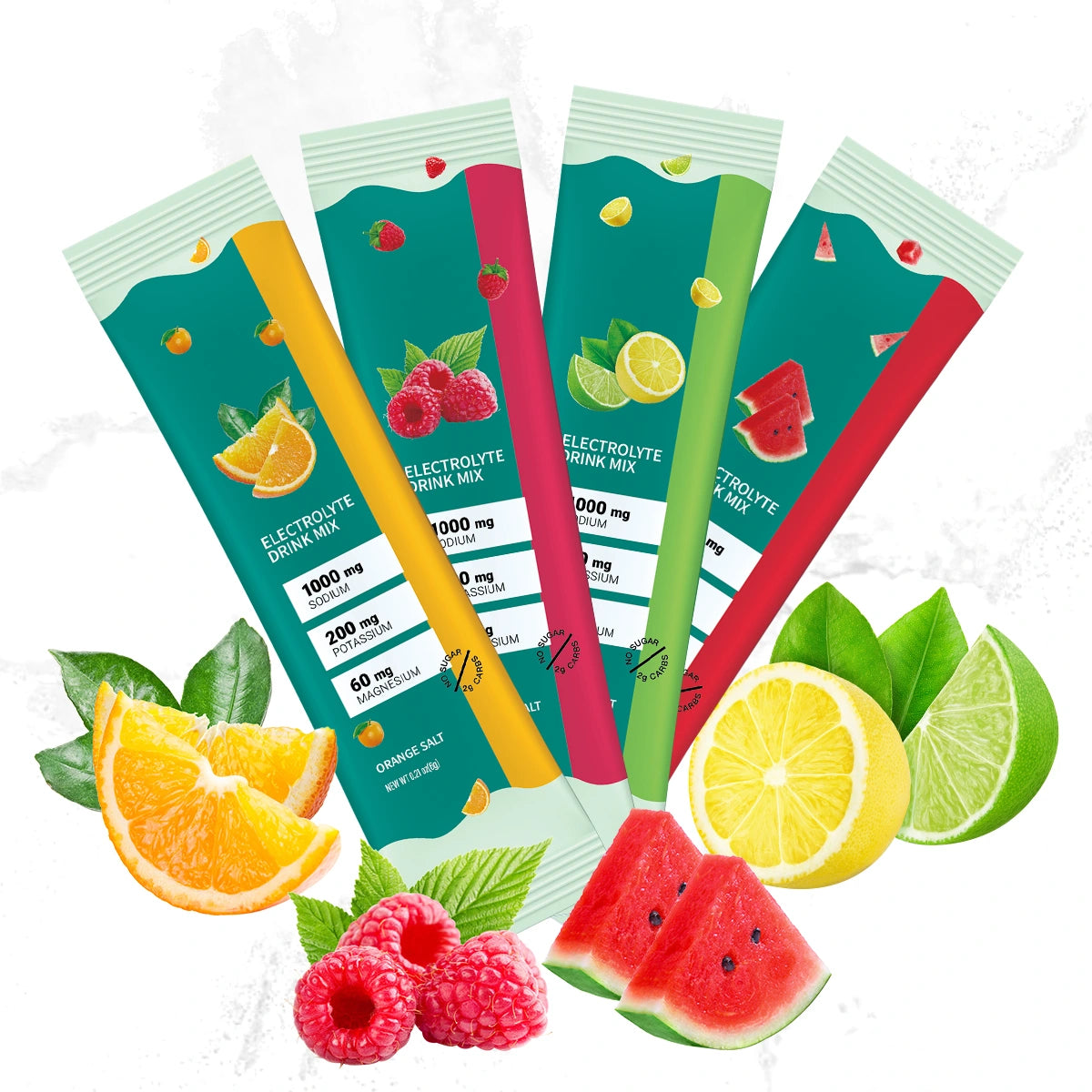
If you're serious about your training, you can't afford to rely on water alone. I created Hydrate+ Hydration Electrolyte Mix specifically for lifters who demand more from their hydration.
Hydrate+ delivers:
- 1000mg sodium per serving for optimal blood volume and hydration
- Science-backed ratios of potassium and magnesium
- Low carbohydrate formula (only 2g per serving)
- No artificial colors, flavors, or unnecessary fillers
- Everything your muscles need, nothing they don't
Stop leaving performance on the table because of inadequate hydration. Try Hydrate+ today and experience what properly hydrated training actually feels like.